
Pls kindly find what we can do for you.
|
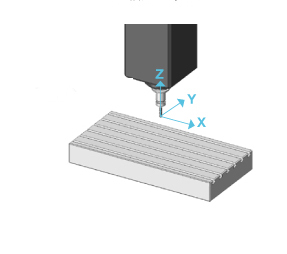
What is the differences between 4-axis and 5-axis CNC machiningIn the world of CNC machining, understanding the differences between 3-axis, 4-axis, and 5-axis machining is crucial for optimizing production processes. While 3-axis machining remains widely used, 4-axis and 5-axis CNC machining have gained popularity for their ability to handle more complex geometries and improve precision. This article delves into the principles, differences, and applications of 4-axis and 5-axis CNC machining, helping you make informed decisions for your manufacturing projects. 1. What is 3-Axis CNC Machining? 3-axis CNC machining is the most basic form of CNC machining, operating along three linear axes: X, Y, and Z. It is ideal for producing simple parts with flat or slightly contoured surfaces.
Limitations of 3-Axis Machining:
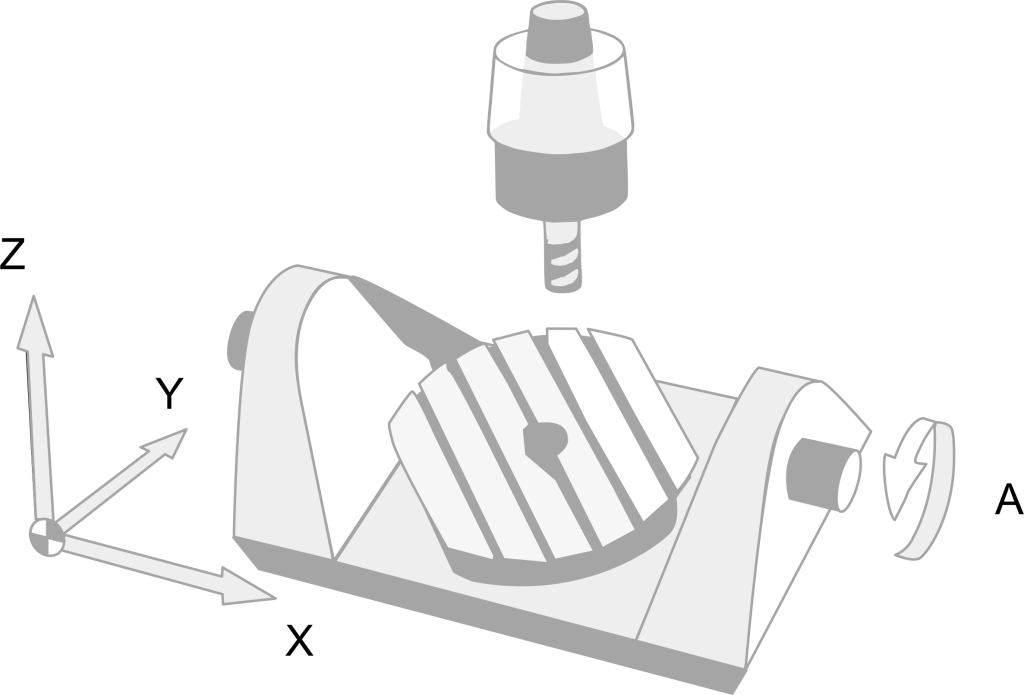
2. What is 4-Axis CNC Machining? 4-axis CNC machining introduces an additional rotational axis (typically the A-axis), allowing the workpiece to rotate during machining. This added axis enhances the machine's capability to produce more complex parts.
Advantages of 4-Axis Machining:
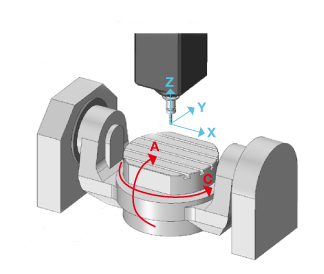
3. What is 5-Axis CNC Machining? 5-axis CNC machining takes complexity and precision to the next level by adding two rotational axes (A, B, or C). This allows the cutting tool to approach the workpiece from virtually any direction, making it perfect for highly complex parts.
Advantages of 5-Axis Machining:
4. 3+2 Axis vs. Continuous 5-Axis Machining
B. Continuous 5-Axis Machining:
5. Key Differences Between 4-Axis and 5-Axis CNC Machining
B. Flexibility and Complexity:
C. Cost and Operation:
6. Applications of 4-Axis and 5-Axis CNC Machining
B. 5-Axis Machining Applications:
7. How to Choose Between 4-Axis and 5-Axis CNC Machining
B. Project Requirements:
C. Operational Complexity:
8. Benefits of Using 4-Axis and 5-Axis CNC Machining -4-Axis Machining Benefits:
-5-Axis Machining Benefits:
9. Conclusion 4-axis and 5-axis CNC machining have revolutionized the manufacturing industry by enabling the production of highly complex and precise parts. While 4-axis machining is ideal for moderately complex tasks, 5-axis machining excels in high-precision applications. By understanding their principles, differences, and applications, you can choose the right CNC machining method to optimize your production processes and achieve superior results. |
|
|
Discover professional CNC machining services for precision metal and plastic parts, offering milling, turning, 5-axis machining, and advanced part manufacturing solutions tailored to your needs.
|


