Precision Processing of Medical Component Housings
The manufacturing of medical component housings represents a specialized segment within precision sheet metal fabrication. As critical enclosures for medical equipment, these components demand exceptional attention to detail throughout the production process. This article outlines five essential considerations that ensure the highest quality standards in medical housing fabrication, from workspace organization to final quality validation.
Five Key Considerations for Medical Housing Processing
1. Maintaining Workspace Cleanliness
In medical component housing production facilities, technicians adhere to rigorous cleanliness protocols:
Daily equipment inspections occur 30 minutes prior to operations to verify proper machine condition
Comprehensive cleaning eliminates all particulate matter from work surfaces
Proper pneumatic tool usage requires secured tool mounting to prevent equipment damage
2. Precision Lubrication for Optimal Machining Accuracy
Lubrication systems play a vital role in medical housing production:
Specialized lubricants maintain continuous equipment operation
Proper lubrication prevents dimensional inaccuracies
System preheating through spindle activation ensures consistent performance
3. Strategic Tool Selection for Medical-Grade Components
Medical housing fabrication demands careful tool management:
Component specifications dictate precise tool matching
Pre-production surface preparation ensures material readiness
Proper tool installation prevents operational hazards
4. Rigorous Quality Control Protocols
Medical housing manufacturers implement stringent quality measures:
Dimensional verification against technical drawings
Comprehensive visual inspections for surface defects
Independent quality assurance processes
5. Comprehensive After-Sales Support
Final quality assurance includes:
Immediate corrective actions for non-conforming components
Surface defect remediation procedures
Post-processing quality verification (coating adhesion, corrosion resistance)
Conclusion
The production of medical component housings requires meticulous attention to detail at every processing stage. By implementing these five critical practices - maintaining clean workspaces, optimizing lubrication systems, selecting appropriate tooling, enforcing rigorous quality controls, and providing thorough after-sales support - manufacturers can consistently meet the exacting standards of the medical device industry. These protocols not only ensure product quality but also contribute to the safety and reliability of critical medical equipment.
Recommend
-

-

QQ Zone
-

Sina Weibo
-

Renren.com
-

Douban

recommended for you
-
Why Custom Cooling Needs Often Lead to CNC Machining
-
CNC Machining Services for Magnesium, Aluminum & Titanium Parts
-
Essential Machining Tools: A Comprehensive Guide to Types and Applications
-
Humanoid Robots: Exploring New Opportunities in the CNC Machining Industry
-
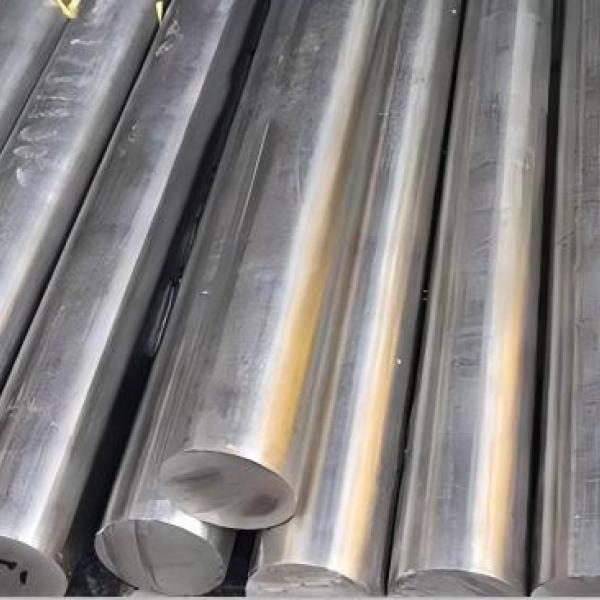
Stainless Steel: A Guide to Types, Properties, and Industrial Applications